Whether you're planning a gentle afternoon stroll through the South Downs or a challenging multi-day trek across the Scottish Highlands, having the right gear can make all the difference. A well-thought-out hiking gear list ensures you're prepared for whatever the trail throws at you, from sudden weather changes to unexpected detours.
This comprehensive hiking gear checklist will help you plan ahead, covering everything from necessary hiking gear that should never be left behind to seasonal considerations and specialist items for overnight trips.
Must have gear for hiking
Certain items form the bedrock of any hiking gear list, regardless of whether you're out for two hours or two weeks. These are the non-negotiables that keep you safe, comfortable, and prepared.
Choose the right footwear
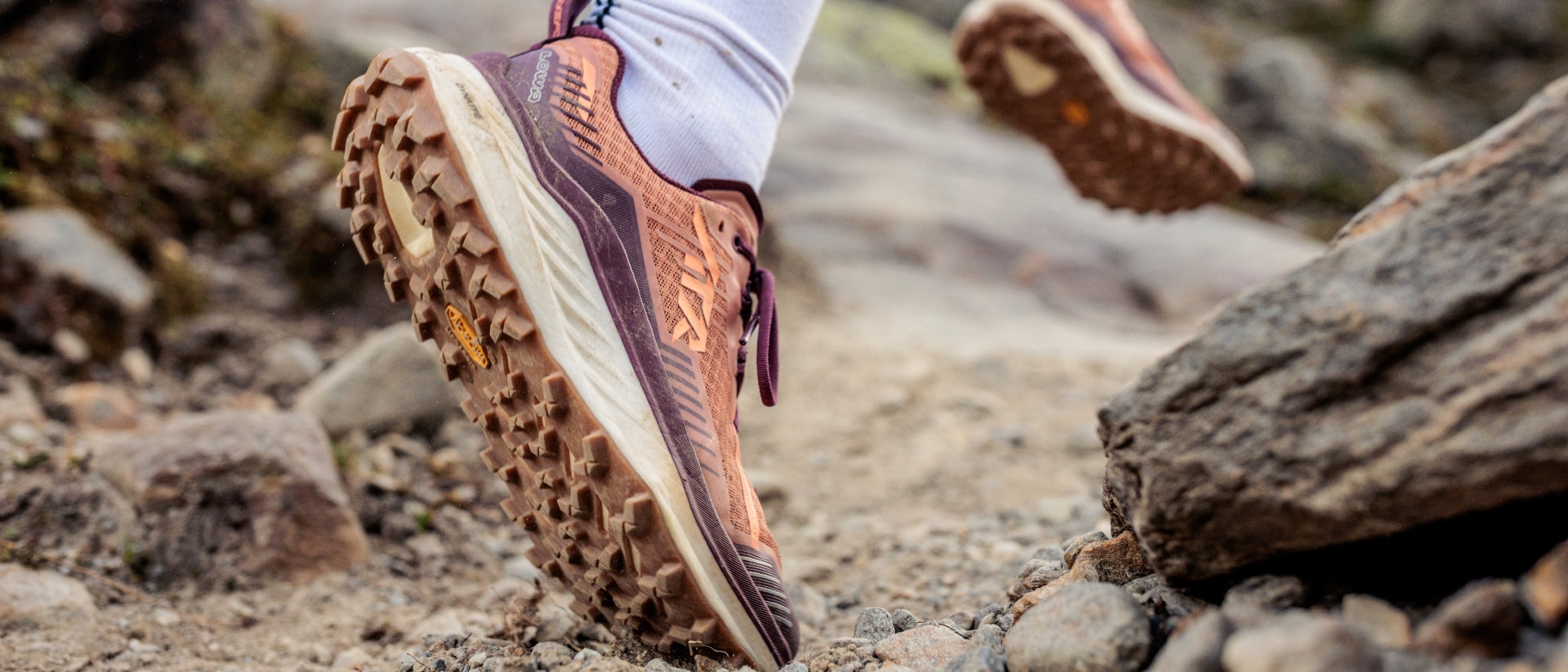
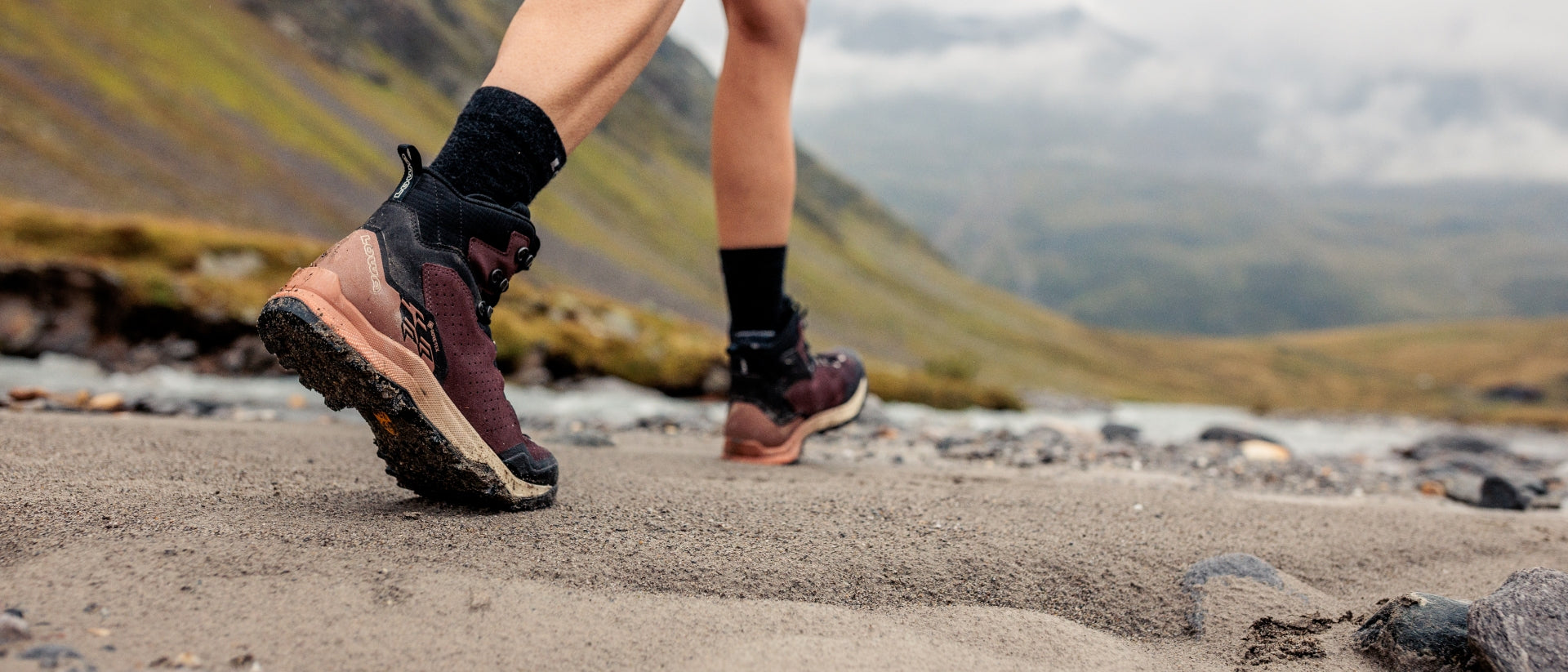
Your hiking boots are the single most important item in your kit. Quality hiking footwear provides ankle support, traction on varied terrain, and protection from the elements. LOWA's extensive range covers everything from lightweight walking shoes for summer day hikes to robust, waterproof boots designed for demanding mountain terrain.
The Renegade Evo GTX Mid remains one of the most versatile options, offering reliable performance across three seasons and varied British landscapes. For more challenging mountain routes, scrambling, or when carrying heavier loads, consider stepping into something like the LOWA Tibet Evo GTX. This mid-cut boot provides exceptional ankle support and durability for more demanding terrain.
Navigation tools
Even in the age of GPS, a paper map and compass can prove to be essential hiking gear. Phone batteries die, signal disappears in valleys, and digital devices can fail when wet or dropped. A 1:25,000 or 1:50,000 OS map of your route, protected in a waterproof case, combined with a baseplate compass and the knowledge to use them, provides failsafe navigation.
A GPS device or smartphone with offline maps downloaded serves as an excellent backup, but shouldn’t be relied on as your sole navigation method.
Weather protection
British weather is famously unpredictable. A waterproof jacket with a hood is non-negotiable on any hiking gear checklist. Waterproof trousers are equally important, as wet legs lead to rapid heat loss and discomfort.
Pack these items even on sunny days. Conditions can change within minutes at higher elevations, and being caught out can quickly become dangerous.
Additionally, always remember to bring sun protection. Protect yourself from UV rays even on cloudy days by applying sunscreen regularly while hiking.
Hydration and nutrition
Water is fundamental. Aim for at least one litre per person for a short walk, scaling up to two or three litres for longer, more strenuous hikes. A refillable bottle or hydration bladder keeps water accessible on the move.
Food provides the energy you need to keep walking. Pack more than you think you'll need, focusing on high-energy snacks like nuts, dried fruit, chocolate, and energy bars, which are lightweight and calorie-dense. For longer walks, sandwiches, wraps, or cold pasta provide more substantial fuel.
First aid kit
Accidents happen, even on well-trodden paths. A compact first aid kit should include plasters, blister treatments, bandages, antiseptic wipes, pain relief medication, and any personal medications you require. Tweezers for splinters, safety pins, and medical tape are also valuable additions.
Knowing how to use everything in your kit is as important as carrying it. Familiarise yourself with the contents of the kit in advance and consider a basic first aid course if you plan to hike regularly.
Emergency essentials
A headtorch or torch with spare batteries is crucial, even on day hikes. If you're delayed and darkness falls, safe navigation becomes impossible without light. A whistle allows you to signal for help if needed: six short blasts is the international distress signal. An emergency bivvy bag or survival blanket weighs little but could prove lifesaving if you're forced to spend an unexpected night outdoors.
A fully charged mobile phone in a waterproof case completes your safety kit, but signal coverage can be patchy in remote areas. Always let people know where you are heading and how long you will be gone for before departure.
Winter hiking gear: special considerations
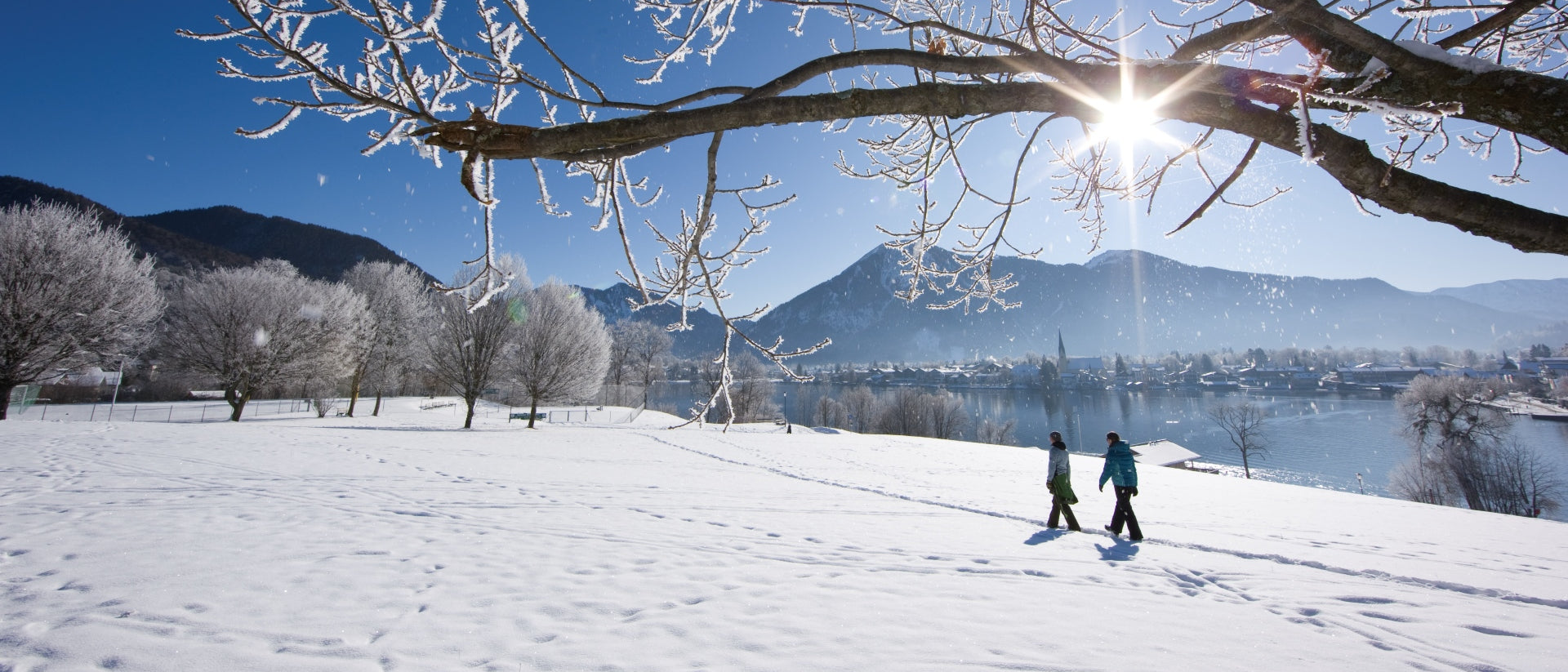
Winter introduces additional hazards that often demand different equipment. Your list of must have gear for hiking in winter needs to account for shorter days, colder temperatures, and potentially hazardous conditions.
Insulation and layering
Winter demands a layering system that can adapt to cold and changing conditions. Start with a moisture-wicking base layer, add an insulating mid-layer, and top with your waterproof outer layer. Pack a warm hat, gloves, and a buff or neck gaiter to not lose heat through your head and extremities.
Learn more about choosing the right clothing in our full guide to what to wear when hiking in winter.
Footwear for winter conditions
Winter walking requires boots with excellent insulation and waterproofing. LOWA's cold weather range includes models with a Primaloft lining and Vibram outsoles designed to grip on frozen or snowy ground. If you're venturing into snow and ice, microspikes or crampons may be necessary, along with knowledge of how to use them safely. Make sure your boots are rated crampon compatible, and you’re using the right crampon for the boot and the conditions.
Additional safety equipment
In snowy or icy conditions, walking poles provide extra stability and help you probe uncertain ground. An ice axe becomes useful for steep, icy, or snow-covered terrain, but only if you're trained in its use. Winter conditions can deteriorate rapidly, so ensure your navigation skills are sharp and you've planned your route conservatively, accounting for reduced daylight hours.
Overnight essentials
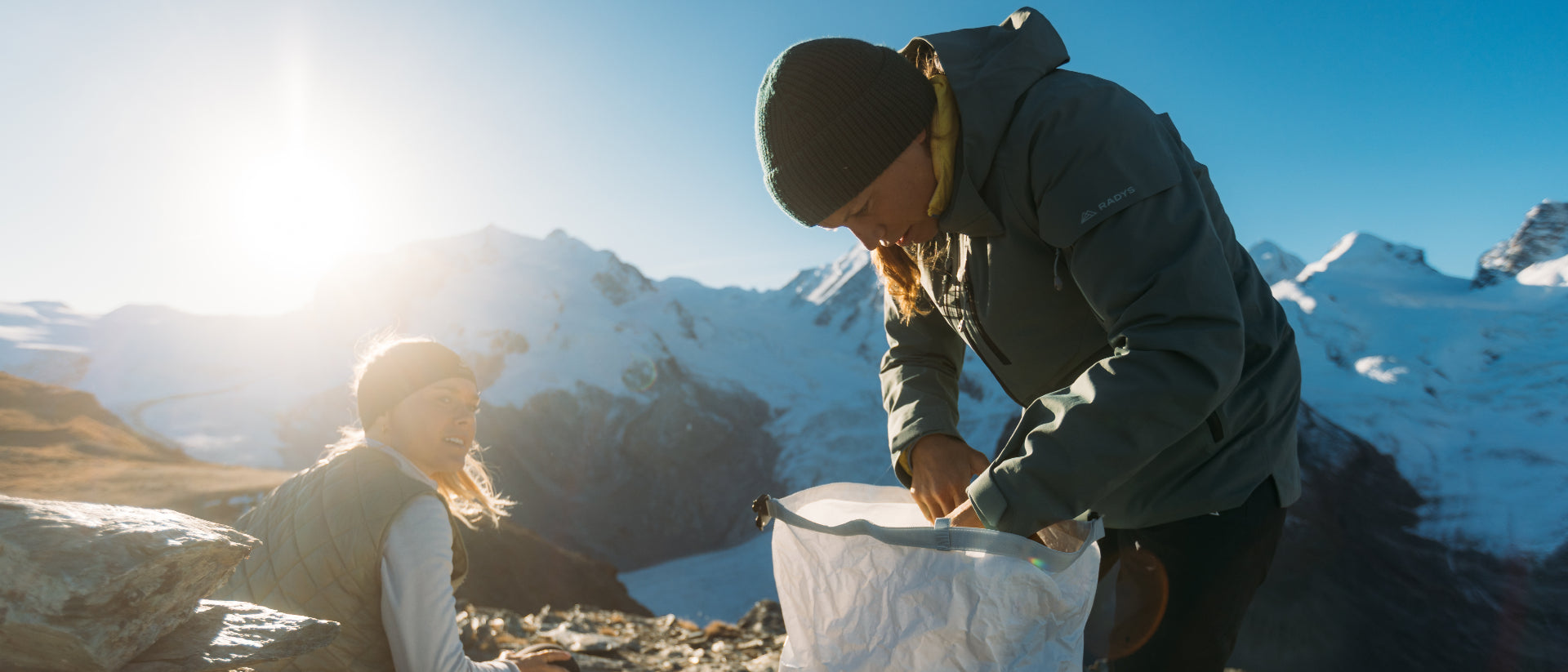
When your hiking plans involve camping and you're carrying everything you need to sleep outdoors, your hiking gear checklist expands significantly. Hiking and camping gear requires careful consideration of weight, as every item rides on your back.
The big three: shelter, sleep system, and backpack
Choose a tent that balances weight with weather protection: ultralight options save your back but may sacrifice storm-worthiness. A sleeping bag rated for the temperatures you'll encounter, paired with an insulated sleeping mat, ensures restful sleep. The sleeping mat is often underestimated but crucial, as it provides insulation from the cold ground and cushioning for tired bodies.
A backpack of 50–70 litres capacity suits most multi-day trips. Ensure it fits properly, since a poorly fitting pack causes discomfort and fatigue.
Cooking equipment
A lightweight stove, fuel, and cooking pot allow you to prepare hot meals and drinks. Even a simple brew can lift spirits after a long day. Pack matches or a lighter in a waterproof container, plus a backup fire-starting method. Don't forget cutlery, a bowl or plate, and washing-up supplies (biodegradable soap used well away from water sources).
Lighting and power
A headtorch with spare batteries is even more critical when camping. Consider a small power bank to keep your phone charged for navigation, photography, and emergency communication.
Building your personal hiking gear list
The lists above provide a solid foundation, but your perfect hiking gear checklist will be personal to you, refined through experience and tailored to your chosen routes and hiking style.
Start with day hikes to test gear and determine what you need. Make notes after each walk:
● What did you use?
● What stayed in your pack?
● What did you wish you'd brought?
Over time, your essential hiking gear list will turn into a reliable system.
Remember to include any medication you need during the day and on overnight trips.
Caring for your gear
Quality hiking equipment can represent a significant investment, and proper care extends its lifespan considerably.
● Clean and dry your boots after every walk. LOWA provides specialist care products to maintain leather and waterproof membranes.
● Store your tent dry and loosely packed. Make sure to clean your tent and sleeping equipment after use and let them dry completely before storage.
● Wash your waterproofs according to manufacturer instructions.
● Check your first aid kit regularly, replacing used or expired items.