Running is one of the most popular ways to get outside, lose weight and maintain fitness. But travelling the same route over and over can get boring. If you’ve ever decided to mix things up and head off-road, you’ve already experienced trail running.
It’s about escaping into nature and experiencing different terrain. If you’re new to trail running, we have everything you need to know in this post.
What is Trail Running?
Trail running is running on natural terrain rather than pavement or roads. This could be anything from coastal paths, woodland trails, mountain routes, and hillside trails. It’s a chance to explore nature and enjoy tranquillity while also challenging your skills.
While traditional tarmac and roads offer a smooth experience, trail running has challenging terrain and hills, making it a fantastic way to build endurance and push your limits.
Trail running can be anything from running through a park to ultra-challenging mountain trails.
In recent years, we’ve seen trail running become increasingly popular, and it’s easy to see why: the British countryside and woodland are beautiful!
What’s the Difference Between Running and Trail Running?
While the most obvious difference between traditional running and trail running is the terrain, there are other factors to be aware of. These include:
- Effort and Pace: Most people find that trail running is slower than running on tarmac or a treadmill. This is because the terrain is more challenging, which requires more energy and endurance.
- Muscle Engagement: When you run off-road, you give your muscles a more intensive workout. Your core, hips, and ankles need to stabilise the body, which offers a full workout.
- Impact: Running on a natural surface can actually be gentler on your joints, because it’s softer than tarmac.
- Mental Focus: When you run on a treadmill or the road, it’s easy for your mind to wander. However, trail running requires more concentration.
Cross Country vs Trail Running
It’s common to believe that cross-country and trail running are basically the same thing, but there are some differences to be aware of.
Both use natural terrain, but cross-country running is considered to be more of a sport, with people testing their speed across grassy and woodland circuits.
Trail running is more of a hobby, as you’re not focusing on time or participating in competitions. However, you can find running groups and races, which make the experience more social.
It’s more popular during the spring and summer, while cross-country runs often take place during the autumn.
How to Start Trail Running
Is trail running harder than running? Yes… but in a very positive way. Because you’re experiencing different terrain, trail running is more challenging in terms of physical and mental endurance.
But many runners find that trail running is a more peaceful option, since they don’t need to worry about cars, dodge people walking on the pavement or through parks. Instead, trail running is an opportunity to experience nature and move at your own pace.
Here are some top tips for getting started in trail running.
Start Local
If you’re transitioning from traditional running or hiking, it’s best to start local. Instead of trying new locations, you can head to your local park or woodland.
Starting in a familiar location makes it easier to get used to the terrain.
Ease in Gently
You’ll usually notice that you run slower than when road running. This is completely normal, and it’s about easing in gently instead of pushing yourself. Instead of focusing on speed, maintain a stable pace.
If you find trail running continuously too challenging, there’s nothing to say that you can’t walk up the hills and preserve your energy.
What Are Trail Running Shoes?
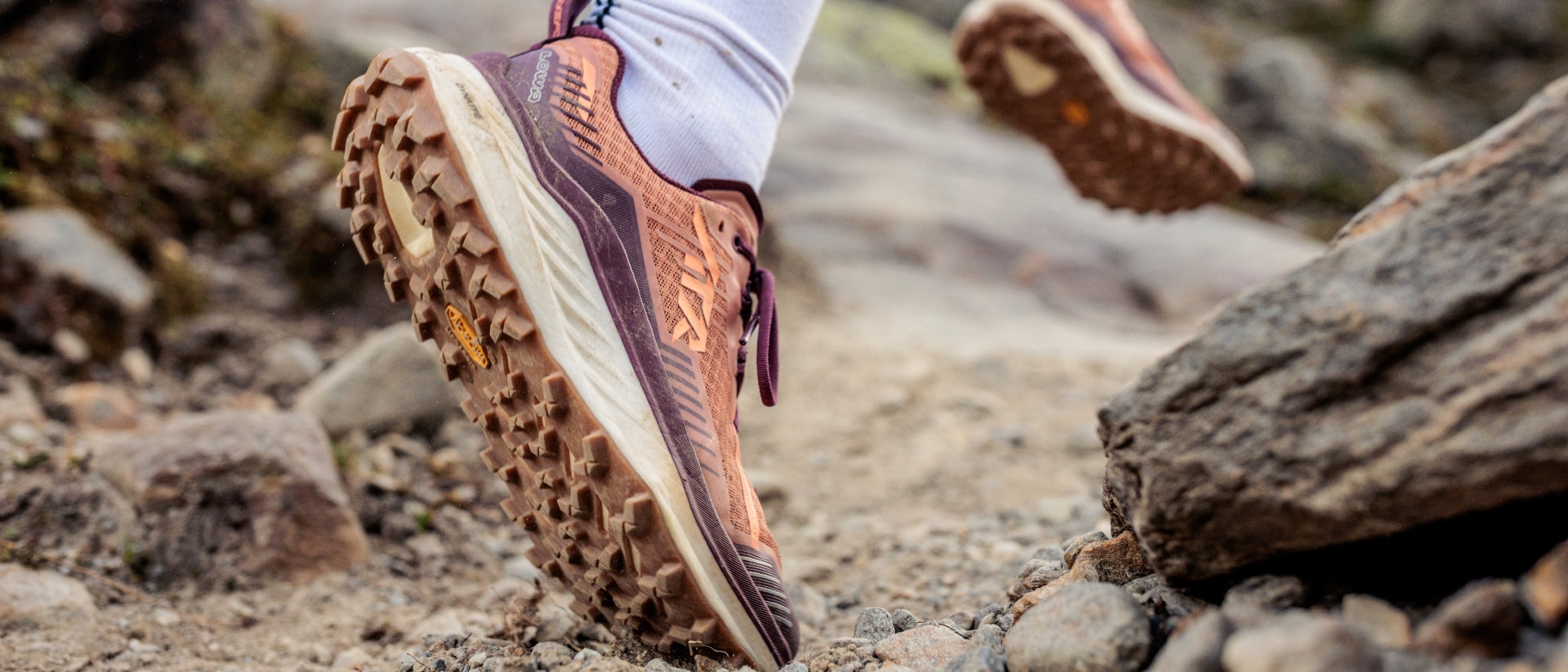
While you can use your regular trainers, we advise investing in trail running shoes. These footwear options are designed for off-road conditions, ensuring comfort and stability.
Introducing The New LOWA Trail Running Collection
The new trail running range from LOWA has been engineered for runners who want confidence, comfort, and control when heading off-road. Drawing on decades of mountain footwear expertise, this collection is designed to perform across the varied terrain found throughout the UK, from muddy woodland paths to rocky upland trails.
Our trail running shoes offer a range of benefits, including:
- Aggressive lugged outsoles for increased grip on loose terrain, wet surfaces, and mud.
- DynaEVA or DynaTPE cushioning adds a layer of protection for your feet when running on rocky surfaces.
- Reinforced uppers to provide added durability.
- Stability when running on uneven ground.
To help you choose, we have compiled a quick guide to the best uses of each of our trail running models below:
LOWA Skyterra - Long Distance Comfort Trail Running
This shoe sits nicely between comfort and performance. Built with a broad-base Vibram sole and supercritical DynaTPE cushioning, the Skyterra delivers excellent shock absorption and energy return for long distances and frequent use across varied terrain, from woodland paths to rocky trails. It’s ideal for runners who want one reliable shoe for training runs, longer outings and fastpacking adventures without the need for extra performance features.
LOWA Amplux 2 GTX - Wet Weather & All-Round Trail Training
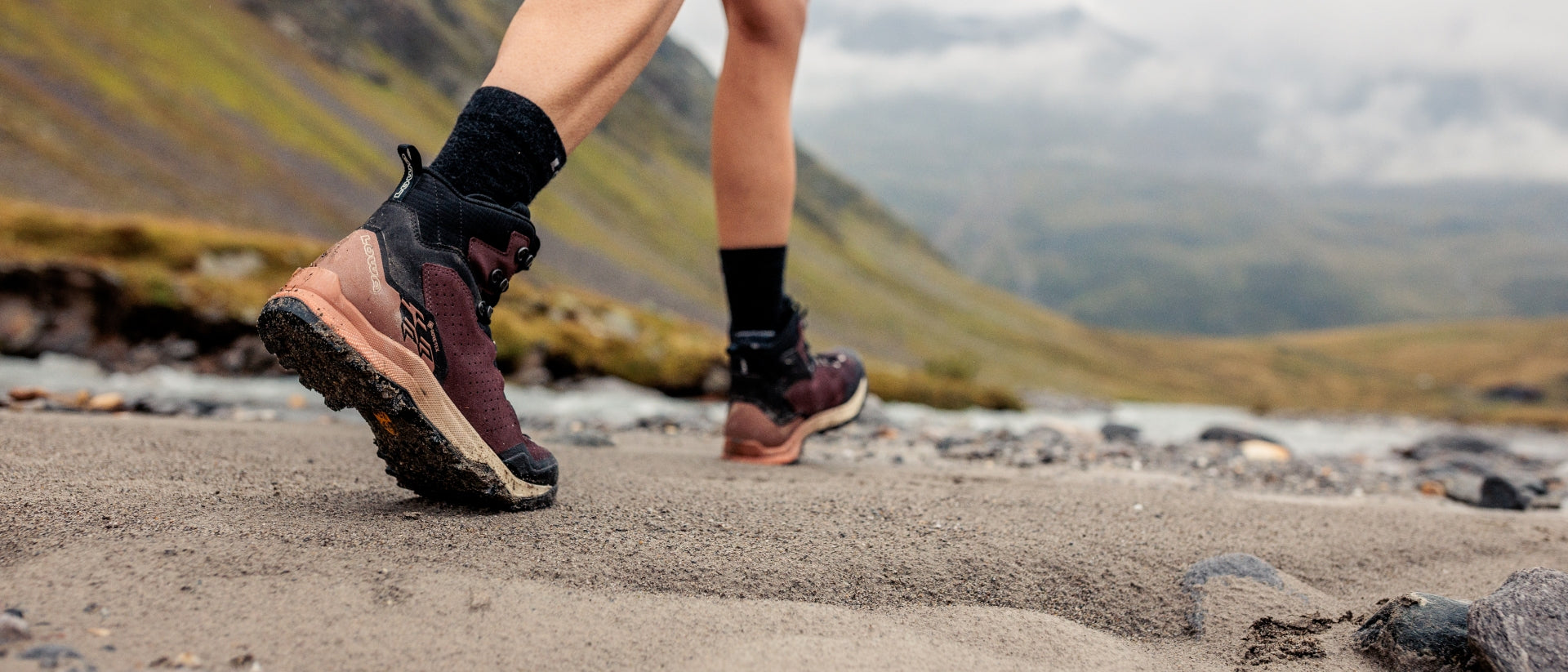
The GTX version of the Amplux includes a waterproof Gore-Tex lining, making it perfect for muddy, wet or unpredictable conditions. It balances grip, cushioning and protection, so it’s great for runners who frequently train in rain or on trails with damp conditions underfoot. The medium stack and Trac Agility sole make it versatile for most trail running routes.
LOWA Amplux 2 - Everyday Trail Shoe for Mixed Terrain
The Amplux 2 has the same well-balanced platform as its waterproof sibling but offers more breathability for dry weather runs. It’s a dependable choice if you want a solid trail trainer that feels responsive and comfortable without extra weather protection getting in the way.
LOWA Fortux GTX QC - Mid-Cut Weather-Ready Trail Boot
With its quarter-height ankle collar and Gore-Tex weatherproofing, Fortux GTX QC bridges the gap between a trail runner and lightweight hiking boot. It’s ideal for runners who like extra ankle support and protection on long, rough routes, especially when running with a pack or on mixed adventures that blend trail running with speed hiking.
LOWA Madrix Evo - Performance-Focused Trail Racer
At the top of the performance scale, the Madrix Evo is LOWA’s most technically advanced trail running shoe. Featuring a high-rebound DynaTPE midsole with a carbon composite propulsion plate, it offers maximum responsiveness and energy return – perfect for faster pace runs, races and runners who want every advantage in efficiency and propulsion.
All our trail running shoes are also available in women’s models, specifically designed for women’s feet.
Final Thoughts
Trail running is one of the best ways to increase your fitness while also enjoying natural scenery. Whether you want to mix things up or boost your endurance, many people find that transitioning to road running improves their lifestyle.
If you’re unsure of which trail running shoes suit your needs, please get in touch with us for advice today.