Choosing the right footwear for winter walking is one of the most important decisions you can make before heading into snow-covered terrain. Cold temperatures, wet conditions and reduced traction all place different demands on your boots. Selecting a pair that’s properly waterproof, warm and supportive will not only keep you comfortable but also reduce the risk of slips and foot fatigue.
This guide explains whether waterproof hiking boots are good for snow, how they compare to dedicated snow boots, what features to prioritise and which LOWA models are designed to perform in winter conditions.
Are waterproof hiking boots good for snow?
In many situations, yes. You can wear waterproof hiking boots in the snow, provided they include features that support cold-weather use.
Standard waterproof hiking boots are designed to handle rain, wet ground and occasional snow. However, deeper snow, prolonged exposure and very low temperatures require additional considerations.
The key factors to look at are:
- Waterproofing: A waterproof membrane such as GORE-TEX is essential. It prevents melting snow from soaking through while allowing moisture from perspiration to escape. This helps maintain warmth and prevents damp socks, which are a common source of heat loss.
- Insulation: For snow, insulation is just as important as waterproofing. Without it, your feet will quickly lose heat even if they remain dry. Many winter-specific hiking boots combine a GORE-TEX membrane with a warm lining, helping maintain comfort in freezing temperatures.
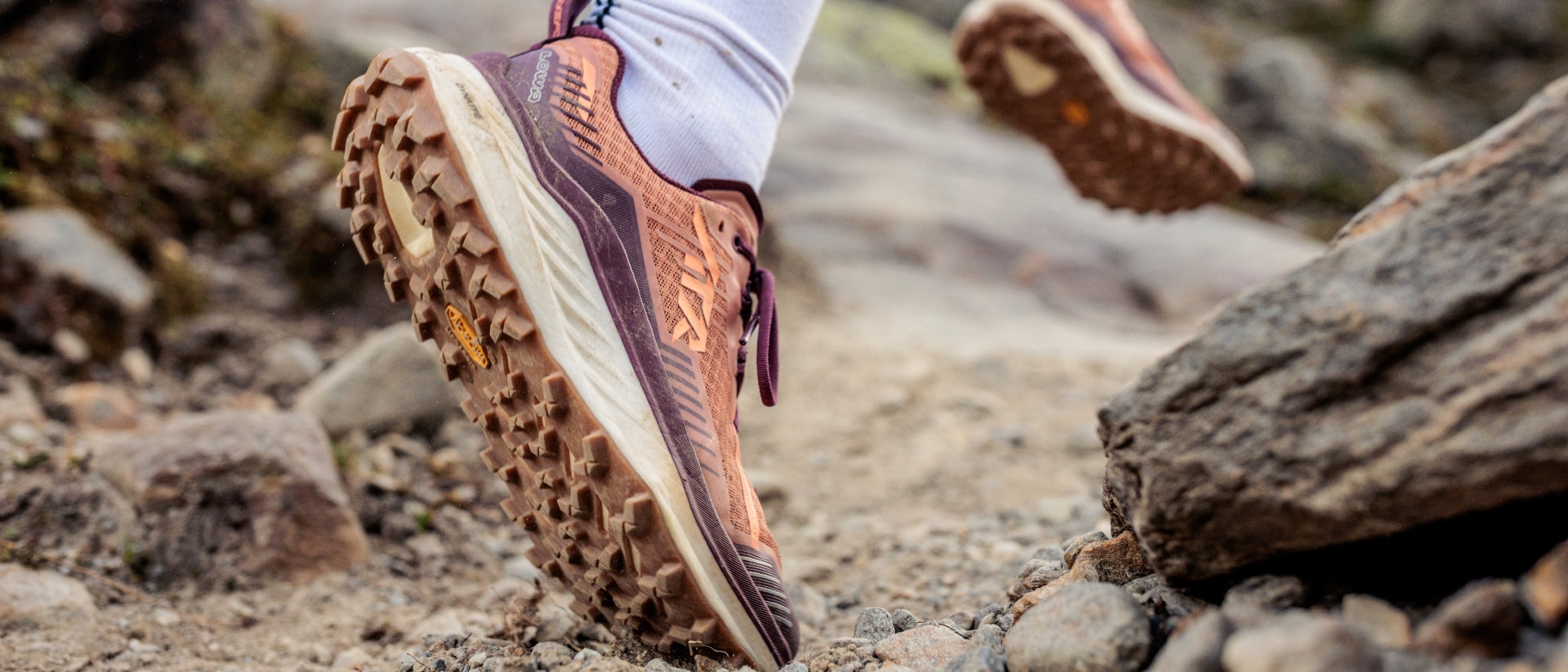
- Traction: Snow changes the surface underfoot, making trails less predictable. Deep lugs and a rubber compound designed for cold conditions help maintain grip.
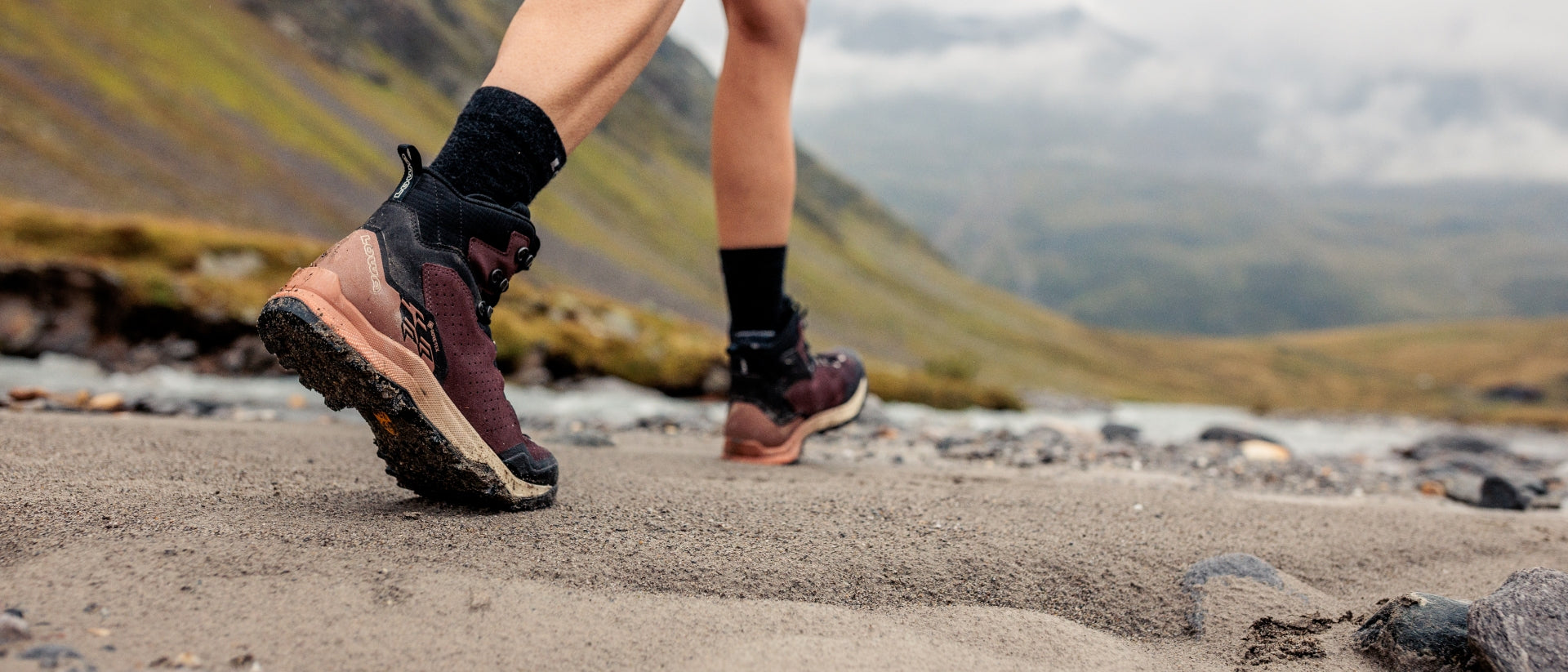
- Height and ankle protection: Mid and high-cut boots help keep snow out and provide additional ankle support when walking on uneven or compacted snowy terrain.
In short: waterproof hiking boots are appropriate for snow when they include insulation, reliable waterproofing and a winter-capable outsole. LOWA’s cold-weather range is specifically engineered with these requirements in mind.
Is there a difference between hiking boots and snow boots?
Yes, and understanding the distinction helps you choose the right pair for your activity.
Hiking Boots
Hiking boots are designed for multi-season use. They prioritise:
- Support and stability
- Breathability
- Durable waterproofing
- Traction suitable for varied terrain
While some hiking boots include insulation, the majority of models do not. For general winter walking on maintained paths or shallow snow, insulated waterproof hiking boots are ideal.
Snow boots
Snow boots, by contrast, focus primarily on warmth and deep-snow protection. They often feature:
- Thick insulation
- Very high shafts
- Heavy-duty rubber outsoles designed for deep snow
- Waterproof construction
They are excellent for extreme cold or heavy snow but may feel bulky on long-distance hikes.
If your priority is stability, technical performance and consistent support across long distances, winter hiking boots are usually the better choice.
Men’s waterproof snow hiking boots
Men tackling winter trails need boots that balance warmth, grip and all-day comfort. LOWA offers several models designed specifically for cold weather hiking:
- Based on the classic Renegade silhouette with added insulation
- Supportive yet comfortable for long-distance winter walks
- Excellent grip on cold, mixed terrain
- High-cut boot for maximum weather protection
- Substantial insulation for deep winter conditions
- Robust full-grain leather construction
Women’s waterproof snow hiking boots
Women’s winter boots from LOWA are designed with a fit tailored to the female foot shape, ensuring better support and comfort during cold-weather hikes.
- Insulated version of the popular Renegade
- GORE-TEX waterproof membrane
- Warm lining for winter walking
- A dependable choice for snowy paths and cold conditions
What can I wear if I don't have snow boots?
If you don’t own dedicated snow boots, insulated waterproof hiking boots are the best alternative. The key is ensuring they meet the conditions you expect.
Here’s what to aim for:
- Waterproof membrane. Waterproof footwear is essential for preventing meltwater from penetrating the boot.
- Warm lining or winter sock system. If your boots aren’t insulated, pair them with thermal socks and moisture-wicking liners.
- Snow gaiters. Gaiters prevent snow entering the boot from above, especially during deep snow or slushy conditions.
- Winter traction aids. Microspikes, crampon compatible boots, or other traction accessories can significantly improve grip on icy terrain.
-
A supportive fit. Make sure your boots aren’t too tight, as compressed insulation and limited circulation can make your feet feel colder.
If your hiking boots tick these boxes, they can perform well in light to moderate snow. For consistent winter use, a cold-weather-specific boot remains the best option.
What shoes not to wear in snow
Some footwear is unsuitable for snow and may lead to cold feet, slipping or water ingress. Avoid:
- Non-waterproof trainers. These quickly absorb moisture, lose warmth and offer poor grip.
- Road-running shoes. The outsole is designed for pavements and becomes slippery on snow and ice.
- Fashion boots. Many are not insulated or waterproof and use soles unsuitable for winter terrain.
- Dress shoes or smooth-soled footwear. These provide almost no traction or insulation on snow or ice.
- Low-cut shoes. Snow can enter easily, making your feet wet and cold.
When in doubt, choose a waterproof boot with a winter-ready outsole and adequate insulation.
Final thoughts
Waterproof hiking boots can be an excellent choice for snow, provided they include winter-ready features such as insulation, a reliable waterproof membrane, and appropriate traction. For regular winter walking, insulated models from LOWA’s cold-weather range offer the best balance of warmth, stability and waterproofing.
Whether you’re taking on frosty footpaths, hill trails or more demanding winter routes, selecting the right boot helps ensure safety, comfort and enjoyment throughout the colder months.