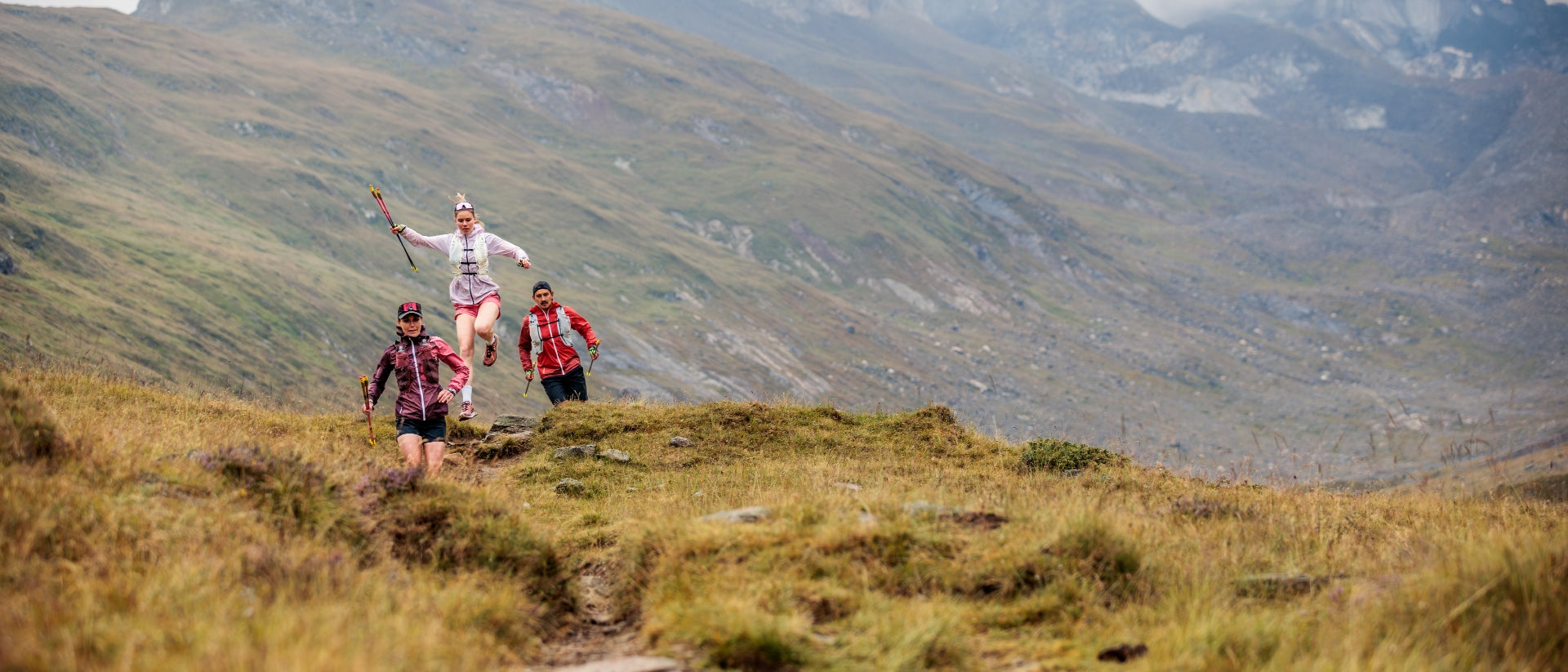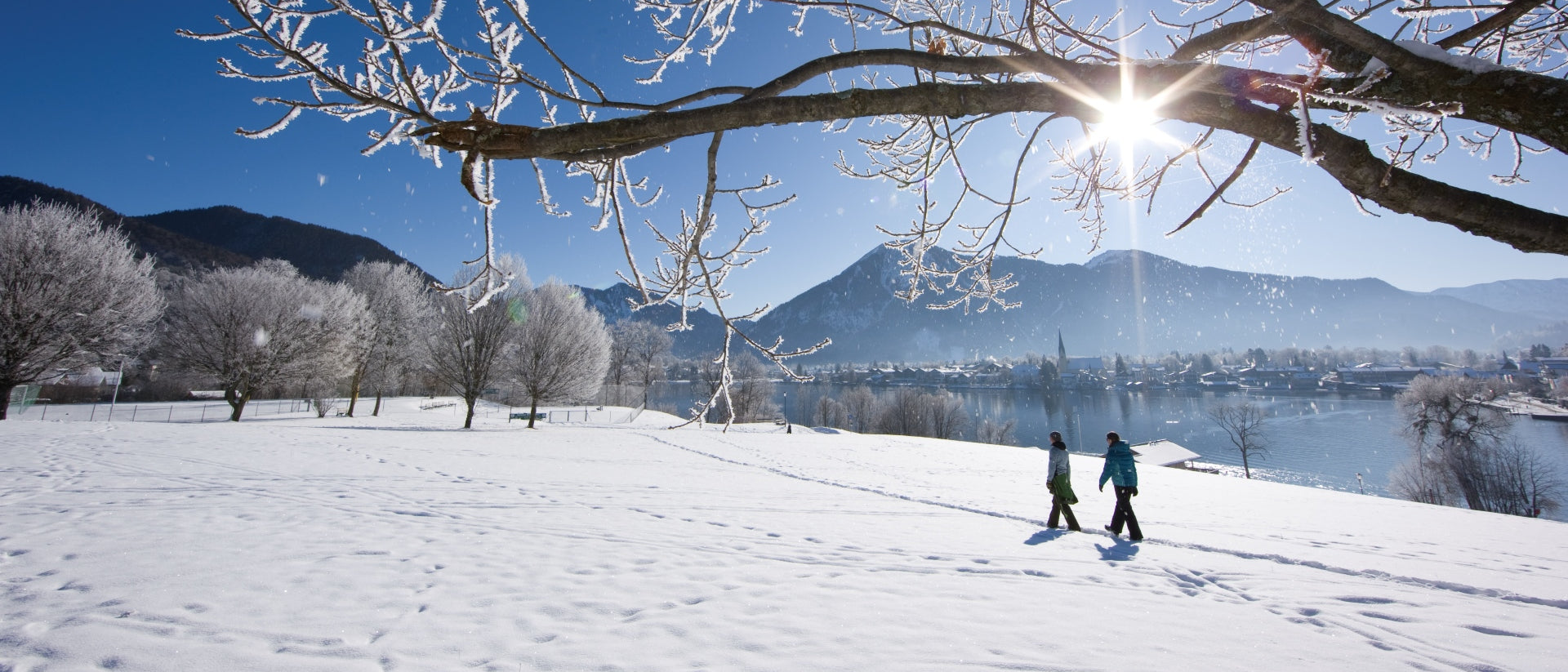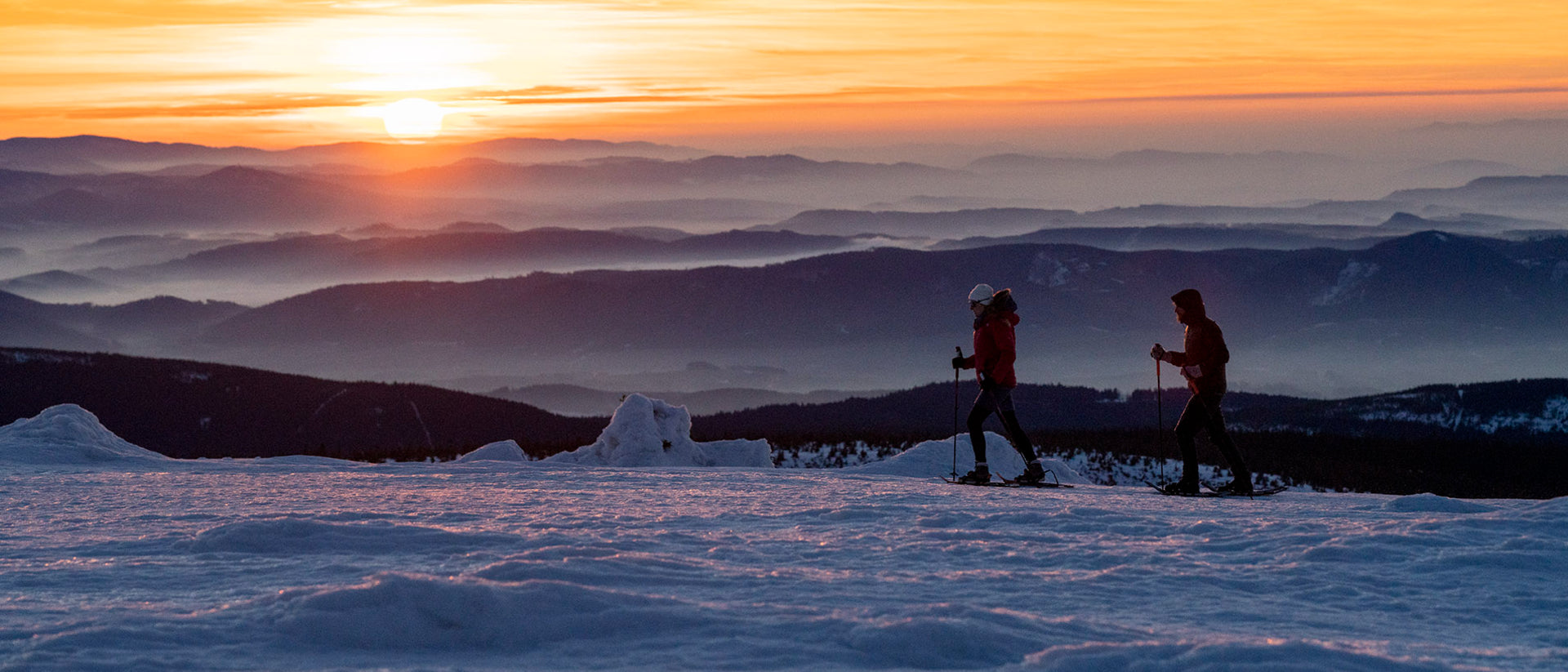
As the temperatures drop and frost begins to settle across the UK's stunning landscapes, many hikers pack away their boots until spring returns. But winter hiking offers some of the most rewarding experiences you'll find on British trails: from snow-dusted peaks in the Scottish Highlands to frosty moorlands in the Peak District. With proper preparation and the right winter hiking equipment, you can safely explore these magical landscapes throughout the colder months.
Can you hike in the winter?
Hiking in winter is not only possible but can be one of the most memorable ways to experience the UK's diverse terrain. However, it does require more preparation, specialised gear, and a respect for the challenges that winter conditions bring.
Why hike in the winter in the UK?
If you consider yourself a "warm weather hiker," you might be wondering what could possibly tempt you onto frozen trails. Here's why winter hiking deserves a place in your outdoor calendar:
Spectacular scenery: The UK's landscapes transform dramatically during winter. Snow-covered mountains, frost-glazed trees, frozen waterfalls, and icy streams create postcard-perfect views that simply aren't possible during other seasons. The dramatic beauty of places like Snowdonia and the Lake District takes on an entirely new character during winter.
Tranquillity and solitude: Popular summer trails become peaceful winter sanctuaries. You'll encounter far fewer hikers, offering a more intimate connection with nature and the opportunity to experience true wilderness solitude. There's something profoundly peaceful about being one of the few sets of footprints in fresh snow.
Physical and mental challenge: Winter conditions test your fitness and resilience in ways that summer hiking simply doesn't. The sense of achievement from conquering a snow-covered peak or navigating challenging winter terrain is immensely rewarding. Plus, there are practical benefits: no bugs, less sunburn, and the chance to maintain your fitness through the off-season.
Extended hiking season: By embracing winter hiking, you transform yourself from a seasonal hiker into a true four-season adventurer, keeping you active and outdoors year-round.
Things to keep in mind when hiking in winter
Winter hiking can be considerably more challenging than summer hiking, and it's crucial to approach it with the right mindset and preparation.
Adjust your expectations: Winter hiking requires more energy and time than summer hiking. Snow can be slow to travel through, you'll encounter obstacles like fallen leaves and low-hanging, snow-covered branches, and the terrain itself becomes more technical. Keep your mileage low and anticipate travelling slower than usual.
Shorter daylight hours: Winter days are significantly shorter, meaning less time to complete your hike. Always start early, to ensure you finish before darkness falls and carry a headtorch. Set a turnaround time and stick to it, even if you haven't reached your intended destination. There's no shame in turning back when conditions change or time runs short.
Weather awareness: Mountain weather in particular can change rapidly, especially in winter. Check weather forecasts regularly - at least a week before, a few days before, and again on the morning of your hike. Use mountain-specific forecasts like those from the Met Office or Mountain Weather Information Service (MWIS). Also check trail conditions through trip reports and road conditions if you're driving over mountain passes.
Plan thoroughly: Create a detailed trip itinerary including your starting point, parking location, intended destination, expected return time, emergency contacts, and your vehicle details. Leave a copy with someone you trust at home and keep another in your car for your safety.
Never hike alone: Winter conditions can quickly become dangerous. Always hike with a companion for added safety, warmth if something goes wrong, and motivation when the going gets tough.
Know the warning signs: Familiarise yourself with the symptoms of hypothermia (shivering, exhaustion, confusion, fumbling hands, memory loss, slurred speech, drowsiness) and frostbite. Bring hand-warming packets and know when to turn back if someone feels unwell.
Take shorter breaks: When you stop moving, your body temperature drops quickly. Take shorter, more frequent breaks rather than long rest stops. As soon as you stop, remove any damp clothing and add insulating layers like a fleece or puffy jacket. Use an insulating pad to sit on rather than cold, wet ground.
Stay fuelled and hydrated: Winter hiking burns significantly more calories than summer hiking. Snack every hour to maintain your energy levels, and pack more food than you think you'll need. Staying hydrated is equally important, even though you won't feel as thirsty. Take a sip of water every time you stop for a break.
Winter hiking equipment to prepare for a hike
Having the right winter hiking equipment can make the difference between a memorable adventure and a miserable, or even dangerous experience. Here's what you'll need:
Traction devices: Depending on conditions, you'll need either microspikes or crampons with crampon compatible boots. Microspikes are lightweight and easy to use, perfect for well-worn trails with icy patches or slippery frost. Crampons provide serious traction for challenging terrain, thick ice, and steep mountain slopes. Practice putting them on at home before hitting the trail.
Trekking poles: Poles with snow baskets prevent them from sinking deep into snow and provide crucial stability on slippery terrain.
Navigation tools: Carry a map, compass, and GPS device. Trails look completely different under snow, and it's easy to become disoriented in heavy fog or whiteout conditions. Make sure you know how to use these tools before heading out, and download digital maps before leaving mobile or WiFi service.
The 10 Essentials: These remain crucial in winter—navigation, illumination (headlamp with extra batteries), shelter, extra clothing, extra water, extra food, sun protection (snow glare is intense), fire starter, knife and repair gear, and a first aid kit.
Additional winter essentials: Consider these your "winter extras"—a warm drink in a thermos, hand warmers, an insulating pad for sitting on cold ground, a bivvy bag for emergencies, and a satellite communicator or Personal Locator Beacon (PLB) for remote areas.
Hydration system: Skip the hydration bladder in winter, as the tube will freeze. Instead, use a wide-mouth water bottle stored upside down in your pack. This way, only the bottom freezes, leaving the top accessible for drinking.
Power management: Cold weather drains electronic batteries quickly. Carry an external battery pack and store all electronics close to your body in chest pockets, internal jacket pockets, or hip belt pockets to keep them warm.
For detailed guidance on layering systems and what clothing to wear for winter hiking, check out our comprehensive guide on what to wear when hiking in winter.
Do I need snowshoes for winter hiking?
The answer depends entirely on the conditions you'll encounter. Snowshoes are essential when hiking through deep, powdery snow where you'd otherwise sink with every step (a frustrating experience called "postholing"). They distribute your weight across a larger surface area, allowing you to walk on top of snow rather than through it.
However, if you're hiking well-travelled winter trails with packed snow or primarily icy conditions, microspikes or crampons will serve you better. Many winter hikers carry both snowshoes and microspikes, switching between them as conditions change along the route. Check recent trip reports for your chosen trail to understand what conditions to expect.
Best winter hikes UK
The UK offers an impressive variety of winter hiking destinations, each with its own unique character and challenges:
Scotland: The Scottish Highlands deliver the UK's most dramatic winter landscapes. Ben Nevis, Britain's tallest peak, becomes a serious mountaineering challenge in winter, whilst the Cairngorm Plateau offers expansive snowy vistas. For something more accessible, try the tranquil 4-mile loop around Loch an Eilein with its frozen loch and 13th-century island castle, or tackle The Pap of Glencoe for stunning views over Loch Leven.
Lake District: Helvellyn via Striding Edge provides a thrilling ridge walk with panoramic views, though it requires winter skills and nerve. For a slightly gentler option, the Old Man of Coniston offers classic Lake District scenery with moderate difficulty. Blencathra via Sharp Edge delivers an exhilarating challenge for experienced winter hikers.
Wales: Eryri National Park (Snowdonia) transforms into an alpine wonderland in winter. The Miners' Track to Snowdon offers spectacular scenery, whilst Cwm Idwal provides a shorter 3-mile glacial valley loop with frozen waterfalls. The Brecon Beacons' Pen y Fan is Wales's highest peak south of Snowdonia and provides a relatively straightforward winter ascent with breathtaking views.
Peak District: Mam Tor and the Great Ridge offer rewarding walks with frost-dusted rolling hills, whilst Kinder Scout's moorland plateau features frozen streams and, if you're lucky, the dramatic ice wall of Kinder Downfall waterfall.
Northern England: Hadrian's Wall Path sections provide atmospheric winter walking with historical interest, whilst Malham Cove in the Yorkshire Dales often features stunning natural ice sculptures.
Always choose routes appropriate to your experience level and current conditions. Your favourite summer hike might be dangerously technical in winter, so err on the side of caution, especially when starting out.
Choosing the right winter hiking boots
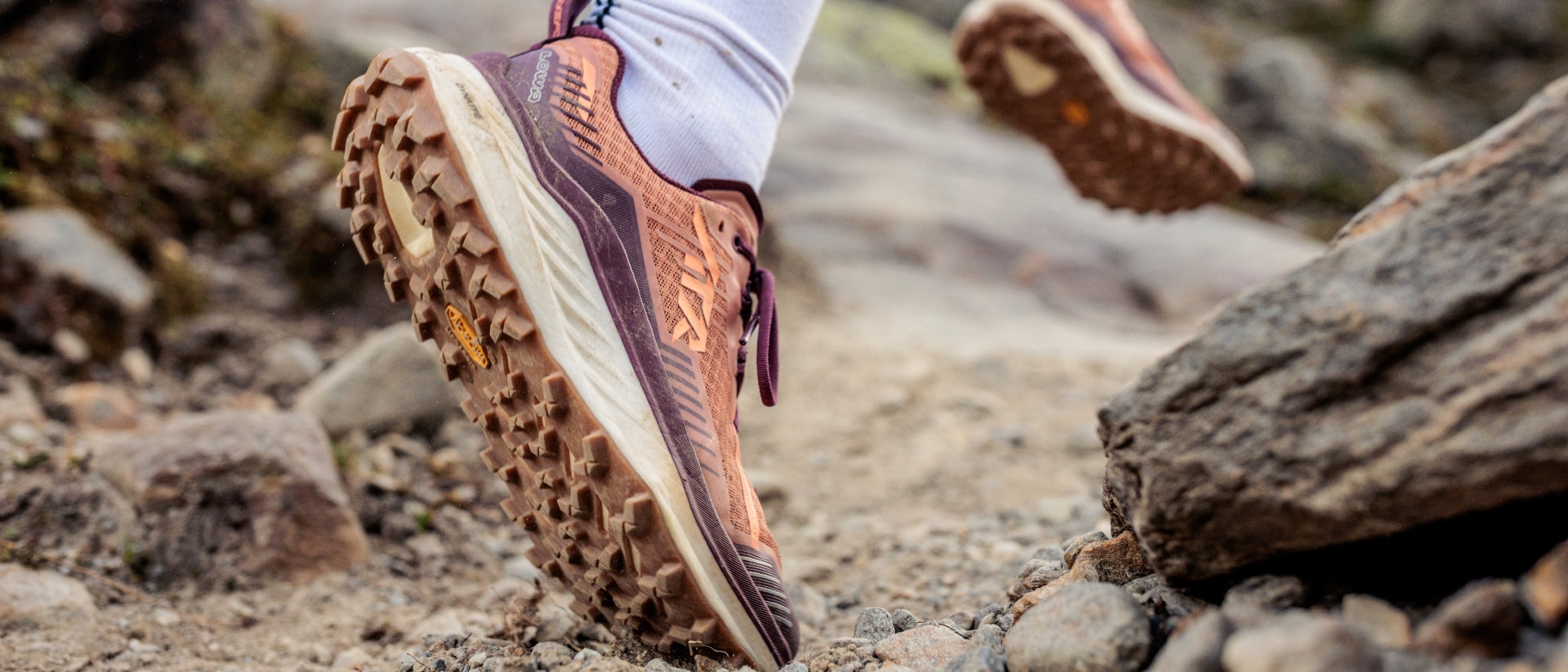
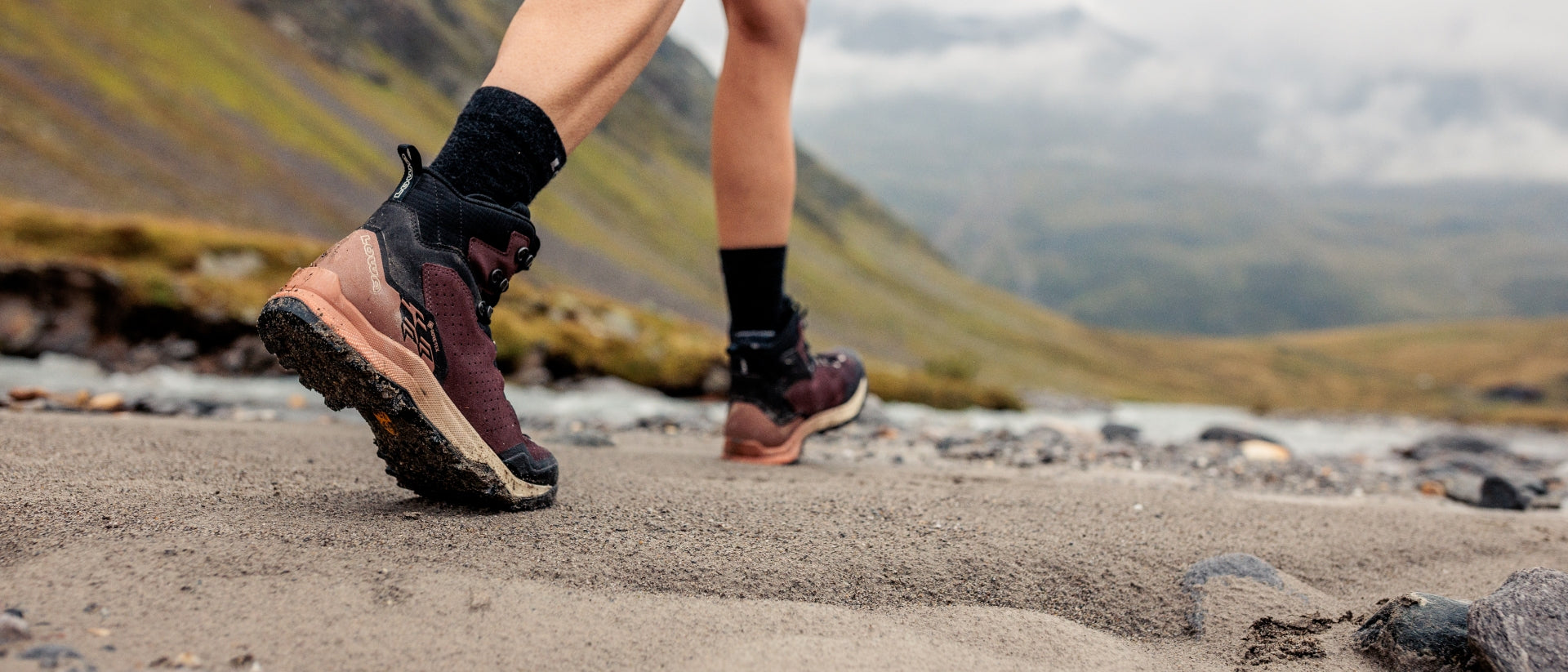
Your footwear is arguably the most critical piece of winter hiking equipment. Cold, wet feet can quickly lead to misery, blisters, or even frostbite, whilst inadequate grip on icy terrain poses serious safety risks.
Winter hiking boots need to tick several boxes: waterproofing, insulation, ankle support, and compatibility with traction devices. LOWA's winter hiking boots are specifically engineered for harsh conditions, combining Gore-Tex waterproofing with insulation to keep your feet warm and dry. The robust construction provides essential ankle support on uneven, snow-covered terrain, whilst the Vibram soles deliver reliable grip even in challenging conditions.
The LOWA Renegade Warm GTX Mid boots for men and LOWA Renegade Warm GTX Mid boots for women offer excellent versatility for UK winter hiking, providing the support and protection needed for technical winter trails whilst remaining comfortable and warm enough for long days on the fells. For more extreme conditions or Scottish winter mountaineering, consider boots with a stiffer sole that's crampon-compatible, such as the men's and women's Cevedale Pro GTX Mid mountaineering boots.
Conclusion
Winter hiking opens up a whole new world of outdoor adventure in the UK. With proper preparation, the right equipment including quality hiking boots, and respect for the additional challenges that winter conditions bring, you can safely experience some of the most spectacular scenery our islands have to offer. Start with shorter, less technical routes to build your skills and confidence, always check conditions before heading out, and never hesitate to turn back if conditions deteriorate. The mountains will still be there tomorrow, but your safety should always come first.