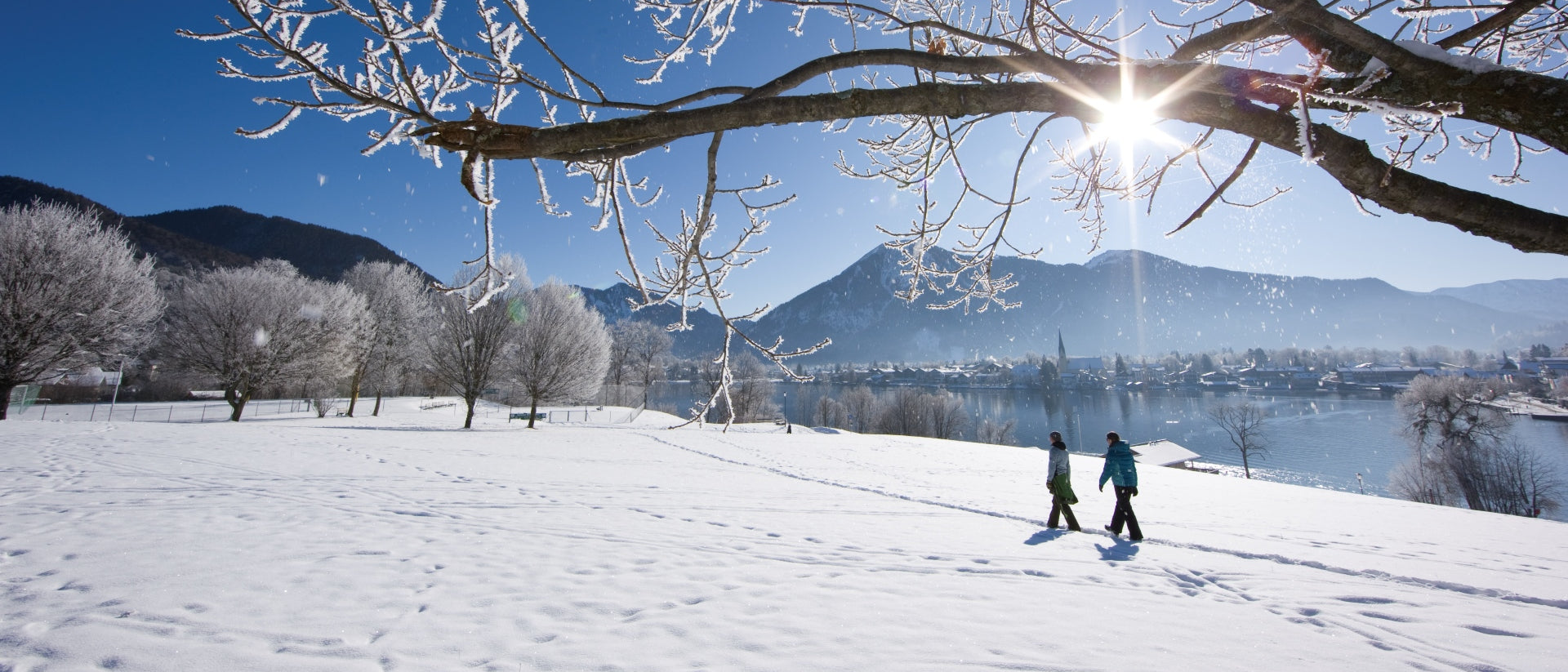
Winter hiking is an excellent way to stay in shape and appreciate the beautiful UK countryside. Plus, many popular hiking trails are less crowded in the colder months, so you can immerse yourself in the tranquillity of nature.
However, winter hikes require some preparation, as you’ll want to stay warm while staying safe.
In this post, we’ll reveal our top recommendations for cold weather hiking clothes, including choosing the right layers and selecting hiking boots. You’ll also learn some common clothing mistakes.
Base layers
Even when the temperatures are low, your body will still produce heat and sweat. Layering for hiking in cold weather is all about keeping your body warm and dry.
Opting for high-quality base tops and bottoms prevents your body from rapidly cooling down when you stop moving.
The best materials for base layers are:
- Merino Wool: Known for its warmth and moisture-wicking abilities, merino wool is a great option for winter hiking.
- Polyester Blends: Synthetic fabrics are a more affordable option to merino wool. While they're not as soft on the skin, polyester blends wick sweat, dry quickly and keep you warm.
However, you should avoid cotton base layers, as they absorb moisture and can make you feel colder.
Mid layers
The mid layers are all about insulation. They trap warm air and prevent cold air from getting in. The right choice for mid-layer clothing options depends on the temperature and whether you're planning a challenging hike or a leisurely stroll.
Fleeces
Fleeces are a go-to for winter clothing, thanks to their lightweight design and warmth. You can choose between different thicknesses, ensuring comfort in all conditions. Most people wear a fleece over their base layer, then choose to add a jacket if the conditions are particularly cold.
Jackets
Down jackets are ideal for dry conditions, but standard options don't perform well in the rain and snow. However, you can find down jackets with water-resistant technology. Another fantastic option is a synthetic insulated jacket, which often doesn't offer as much warmth-to-weight ratio, but offers insulation in wet conditions.
Outer layers
The outer layer protects against typical winter weather — freezing temperatures, rain, wind, sleet and snow. When choosing how to dress for a hike in cold weather, it's important to think about your tolerance to colder temperatures and find the right balance between warmth and comfort. For example, hiking in a highly insulated jacket can be beneficial, but if you'll be tackling steep inclines, you might overheat.
The Best Outer Hiking Jackets:
- Hard Shell Jackets: These jackets are highly durable, windproof, and waterproof. They also use durable fabrics, and many come with adjustable hoods.
- Soft Shell Jackets: While soft shell jackets lack waterproof features, they're still windproof and softer to wear. We recommend these jackets when mobility is important.
- Insulated Jackets: Insulated jackets are the go-to option in freezing conditions, as they keep your body warm and ensure lasting comfort.
Hiking Trousers and Legwear
Hiking trousers should be flexible enough to keep you mobile, while also maintaining warmth. Instead of choosing one style, we recommend stocking up on the following options, as they'll provide comfort for all conditions:
- Soft-Shell: Known for their wind resistance and strength, soft-shell hiking trousers offer flexibility in mild to moderately cold conditions. They're not fully waterproof, but they do offer some resistance.
- Waterproof Overtrousers: If you're hiking in wet, snowy, or slushy conditions, you'll want to wear waterproof overtrousers.
- Insulated Trousers: Insulated trousers are best for icy conditions, as they provide superior warmth and ensure lasting comfort.
Choosing the right winter hiking boots
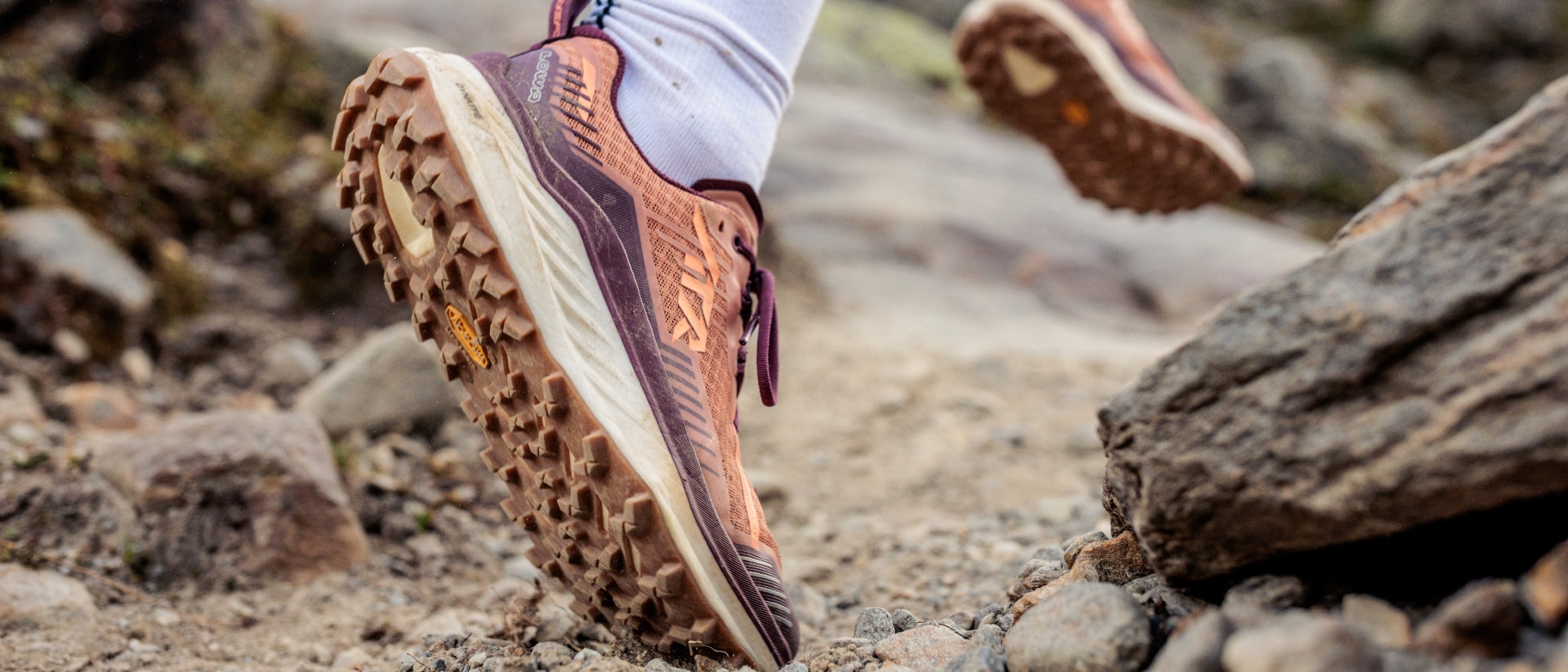
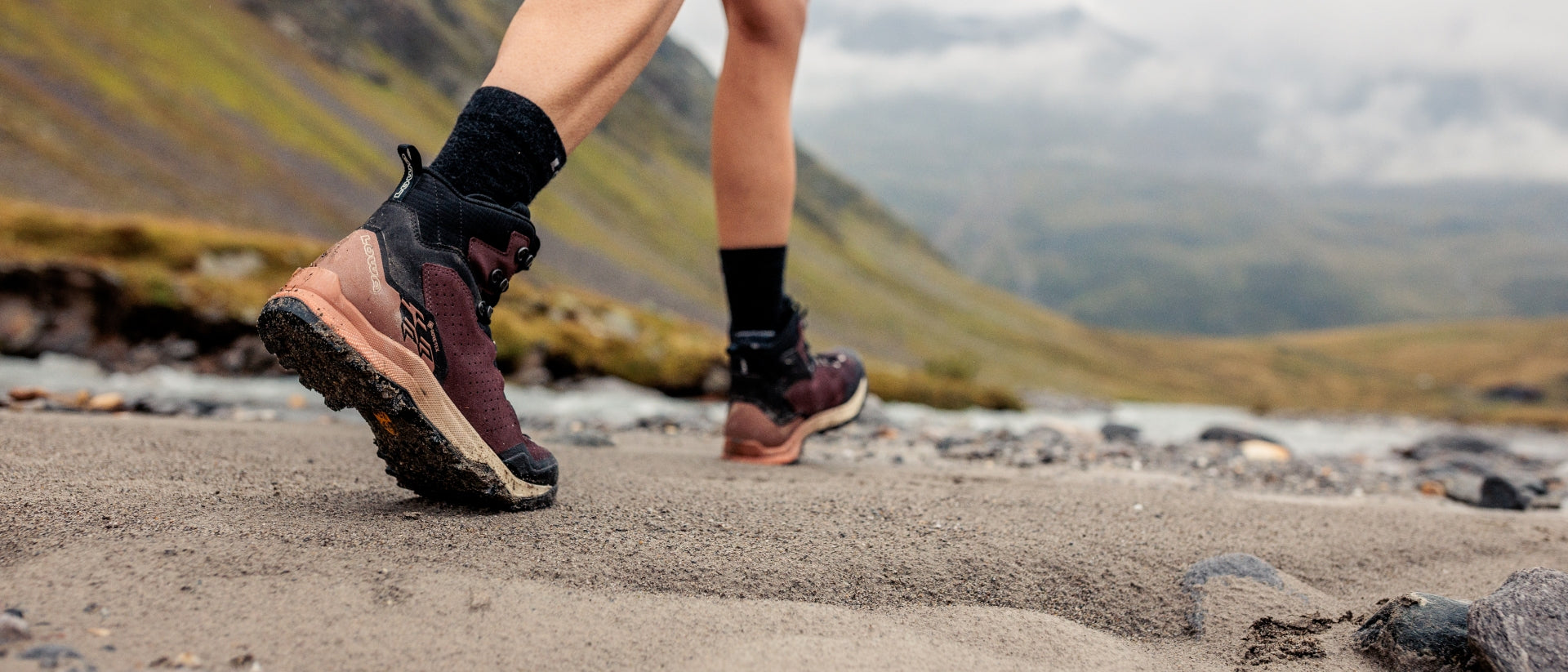
So, now that we’ve covered the best clothes for hiking in cold weather, it’s time to focus on footwear. It’s the most crucial part of any hike, as choosing the wrong footwear can result in cold, wet feet. In extreme conditions, frostbite is also a risk. Winter hiking boots protect your feet from the cold and keep you safe as you navigate challenging terrain.
When choosing cold-weather hiking boots, look for the following features:
- Insulation: Look for boots with an insulated lining to keep your feet warm and prevent cold air from entering.
- Waterproof Features: Waterproof footwear with Gore-Tex lining is excellent at keeping water, slush, and snow out.
- Ankle Support: Remember, safety is key when hiking in the winter. Ankle support can prevent falls on icy and uneven terrain.
- Traction: Wearing standard footwear on icy trails increases the risks of slips and injuries. Opt for boots with superior traction to keep you safe.
- Warmth: Many boots have a shearling or fleece lining, which provides additional warmth and comfort.
LOWA’s Top Hiking Boot Recommendations
Men's Hiking Boots
You’ll find a range of men’s cold-weather boots, but the Renegade Warm GTX Mid is a bestseller, thanks to its extra insulation and lasting comfort.

Women's Hiking Boots
If you’re looking for the best women’s cold-weather hiking boots, the Renegade Warm GTX Mid Ws is your best bet. Known for its sleek design and addtional insulation, you can enjoy long hikes without worrying about cold feet.

Essential accessories
Accessories are often the difference between an enjoyable hike and an uncomfortable one. Your extremities can lose heat quickly, so choosing suitable accessories lets you stay warm and look stylish.
Must-have winter hiking accessories include:
- Hats: Traditional knitted hats can let cold air through, so choose a woollen beanie or a fleece-lined hat instead.
- Gloves: Vital for keeping your hands warm and flexible. Insulated gloves are ideal for icy conditions, while liner gloves are lightweight and offer dexterity.
- Neck Warmers: Instead of opting for a traditional scarf, you can choose a neck warmer. They're less bulky, but they still protect the neck and face in cold conditions.
- Socks: Winter socks are thicker than traditional socks, providing extra comfort for your feet. Merino wool combined with sock liners is an excellent option.
- Goggles/Sunglasses: Eyewear enhances visibility and protects your eyes from snow glare.
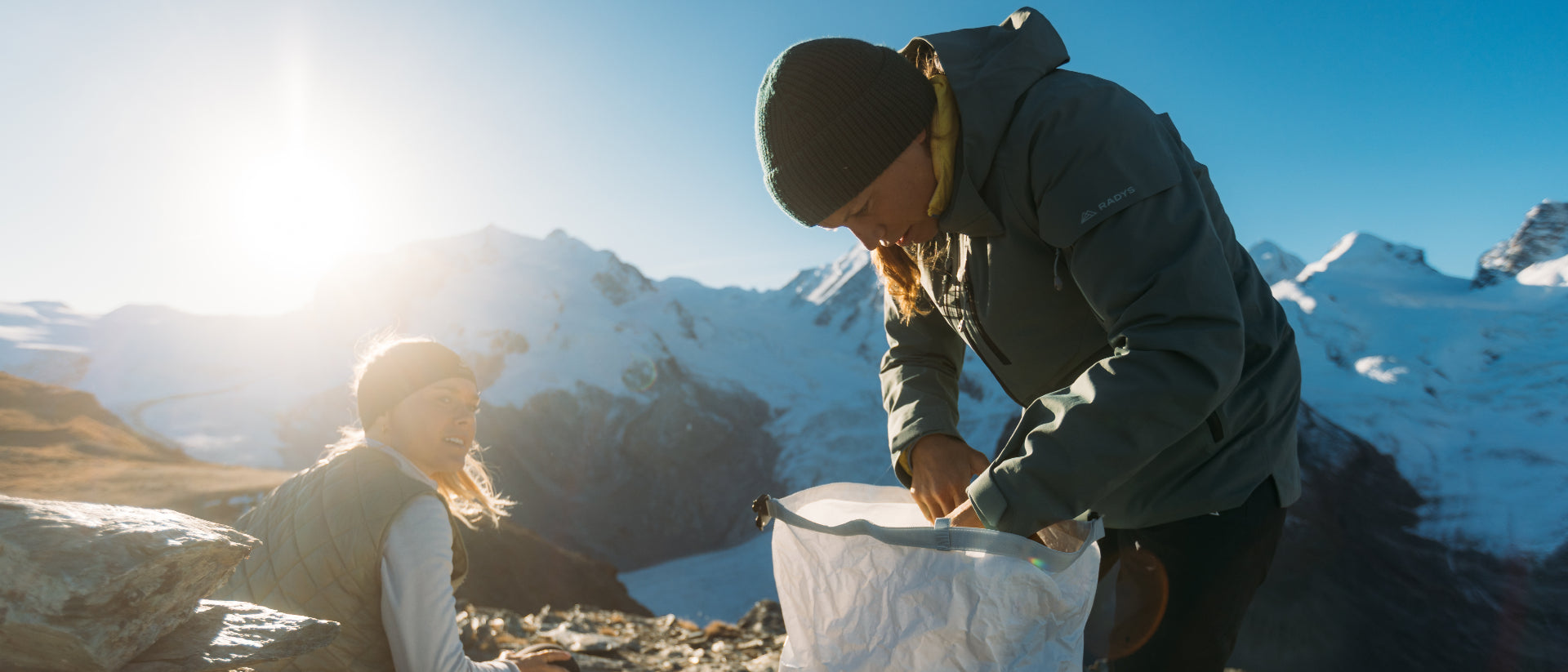
- Backpack: Opt for a waterproof backpack and fill it with essentials, including spare clothing, a first-aid kit, a headtorch, an emergency blanket, and traction devices if your footwear lacks sufficient grip on icy surfaces.
Common clothing mistakes to avoid when hiking in cold weather
Even seasoned hikers can make mistakes when dressing for their winter adventures. Avoiding the following clothing errors will keep you warm and let you enjoy long hikes.
Choosing Cotton
Cotton is a big no for hiking, as it absorbs moisture and pulls heat from your body. Avoid wearing cotton base, mid, and outer layers for optimal comfort.
Not Understanding Layering
You want to be warm but also comfortable. Wearing too many layers can increase sweating, which may make you feel colder.
Wearing New Boots
It's always a good idea to break in your new hiking boots before embarking on a long hike. New boots can cause blisters, leading to discomfort. However, many of LOWA’s hiking boots are designed to map to the shape of your feet straight for out of the box for maximum comfort.
Not Protecting Your Feet
While high-quality hiking boots should keep snow and slush away from your feet, gaiters add an extra layer of protection. You should also bring spare socks in case any moisture does leak into your boots.
Not Ventilating
You'll notice that many hiking jackets have pit vents and zips. Unzip them regularly to release heat, as it keeps your body warm and prevents sweating.
Ignoring the Weather Forecast
Winter weather in the UK is notoriously volatile and conditions in the mountains can change very quickly, so dress according to the forecast but be prepared. Remember, UV rays are still strong in winter, and they can reflect off snow, so remember to bring eye protection.
Final Thoughts
When you choose the best clothes for hiking in cold weather, you can enjoy everything winter walks have to offer. Remember, when choosing what to wear when hiking in the cold, the key is to layer appropriately, select the right footwear, and choose accessories that keep you warm and comfortable.
If you’d like advice on winter hiking outfit ideas, our experts are always here to help. Please contact us today, and enjoy our high-quality hiking products.