What to Look for in Hiking Boots

There are few pursuits as freeing as hiking. Shutting off the outside world and exploring the natural landscape with our family, friends, or even by ourselves gives us a moment to relax and reflect, while also being incredibly good for our physical wellbeing. It also helps us to discover something new about the world around us and see it from a different view.
If you’re looking to take your hiking even further, then there are plenty of great UK country walks that could test your skills to the limit. However, if you want to push yourself, then you need to make sure that your hiking equipment is up to the task, as well!
Hiking boots are one of, if not the most crucial piece of equipment for any walk. These are the items that will do much of the heavy work, not only helping to support you on uneven terrain but also to take some of the weight off your feet. A good pair of boots will allow you to hike further, faster and for longer, so if you’re considering upgrading your shoes, look out for these essential qualities.
Correct Sole for the Terrain
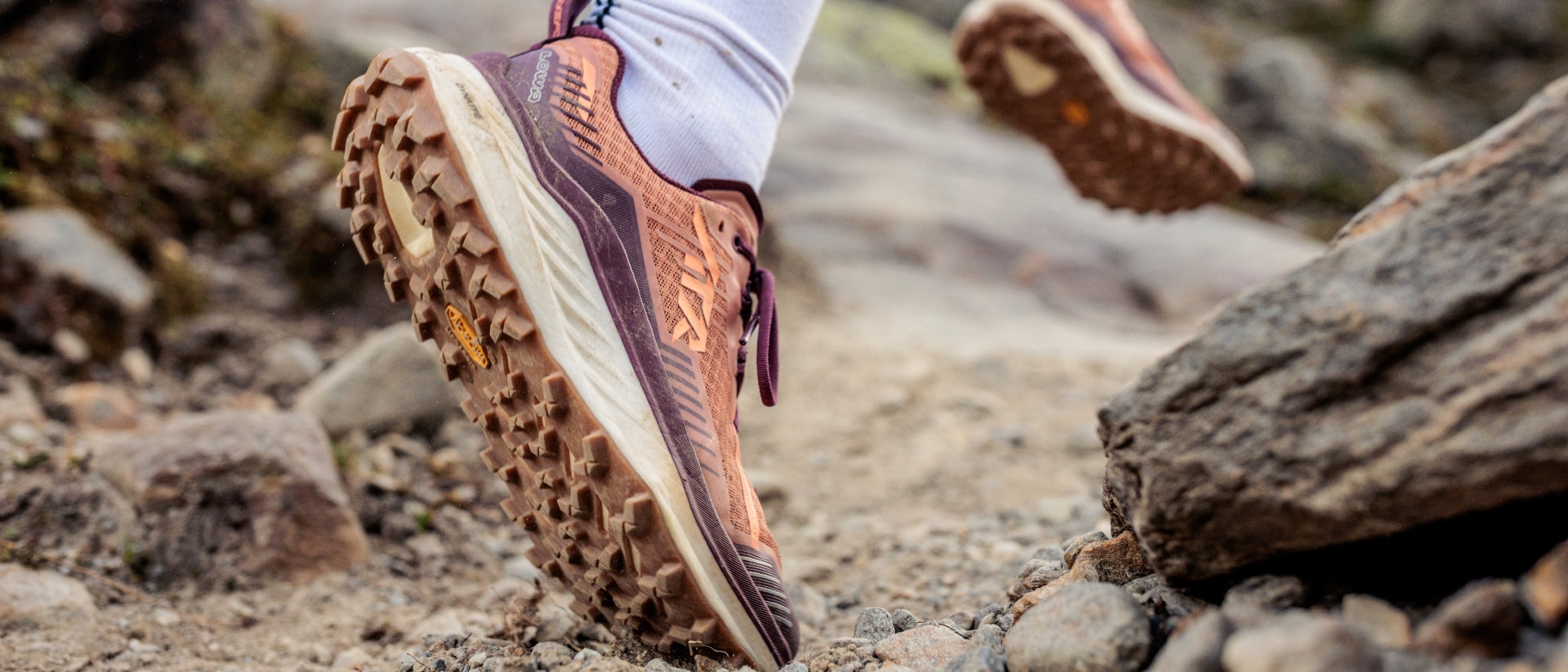
The sole is something that many hikers will almost take as given, but it is such an essential component of any hiking boot that variations must be recognised. More important than anything, make sure that whatever boot you are considering, check that the sole is made of quality material. One of the biggest names in this regard is Vibram, whose rubber soles have become widely seen as the gold standard for hikers. However, there are other brands out there who are following in their suit, producing quality, durable soles that keep out water and improve traction.
At this point, it’s important to consider what terrain you are likely to encounter using your hiking boots. There is a wide range of sole designs available, and most high-quality soles have been created with a specific activity or surface in mind. The treads required for backpacking down a dirt path are different from those needed for slick grass surfaces, for example. Understand your requirements from your boot and choose an appropriate tread.

Quality Upper Materials
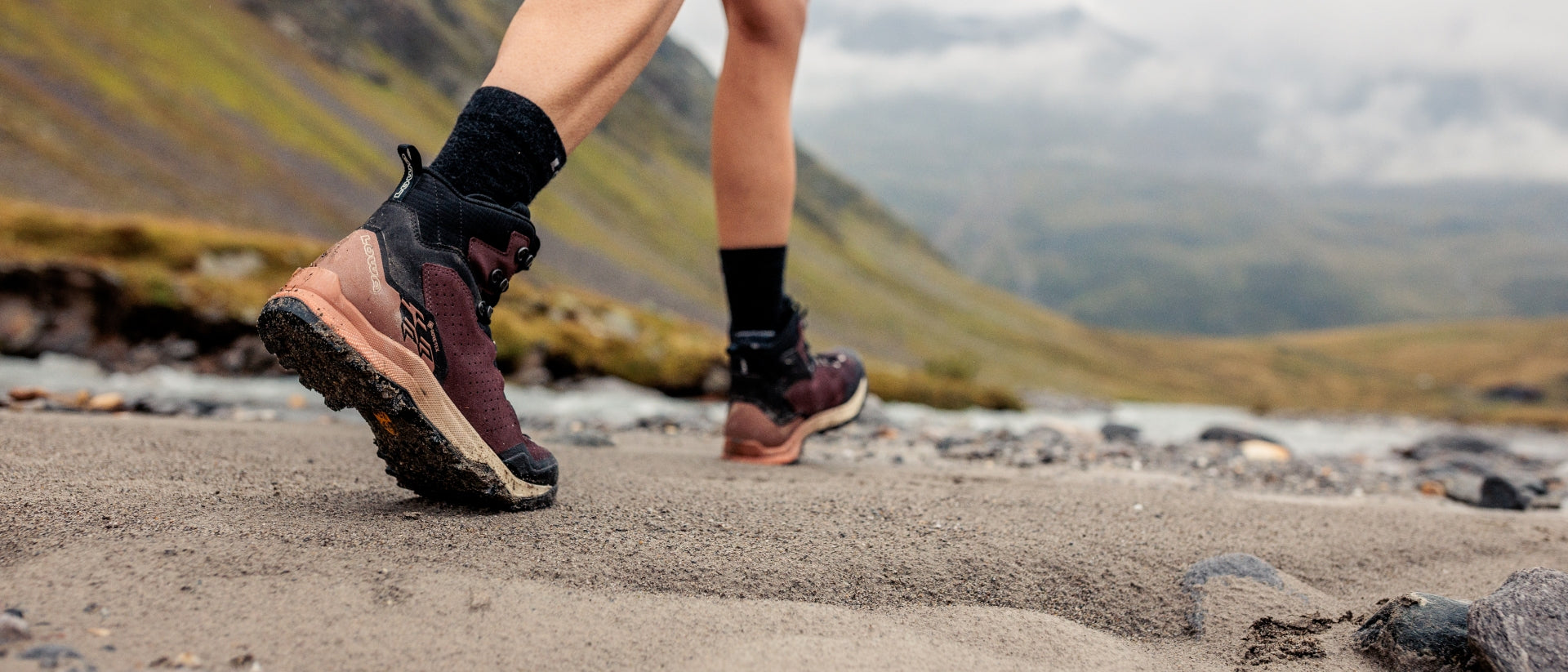
The materials used across the boot are also of paramount importance because these are required to perform a multitude of roles during any given walk. Not only must they protect your foot from external conditions, but they also have to allow your feet to breathe, regulating body temperature to help create a comfortable hiking experience.
There are very few substitutes, in this regard, for high-quality leather. A notoriously rugged and dependable material, leather comes in many specific forms that can perform a range of tasks. These options vary from tougher full-grain leather that can provide increased protection, to Nappa leather, a thin material with open pores perfect for water absorption and heat regulation. It is essential to check the quality of the leathers used to make sure that any waterproof boots keep their performance throughout the toughest of conditions.
While there are few alternatives to leather, some manufacturers (such as us at LOWA) have created synthetic options that deliver excellent durability and comfort in a 100% vegan boot.
Comfortable Fit
Once you find a boot that works for the correct terrain and uses high-quality, durable materials, you must then make sure it is comfortable to wear! The design of the boot will play a big role in this, and it’s important that you choose a shoe design that works with your physical requirements.
If you know you have specific needs, such as a wider or narrower shoe, then choose a manufacturer that specialises in these designs. As mentioned before, comfort is mostly down to the quality of materials used, so look for names such as Vibram and especially Gore-Tex when it comes to lining materials. Another key point here is the lace design, something that hikers often take for granted but, in reality, has many different features. Look for two-zone lacing options that allow for independent control of the upper and lower part of the boot, while extras such as patented LOWA X-Lacing and I-Lock systems allow for complete control of the lacing process so that the boot works perfectly with your feet.

Hopefully, this simple guide will point you in the right direction when it comes to upgrading your hiking boots. Good quality products that deliver durability and comfort, while working with your terrain in mind, will provide instant benefits to your hike. Then, it’s time to conquer that path you’ve always dreamt of completing!